
How to Set Realistic Goals for 2025
4 minute read

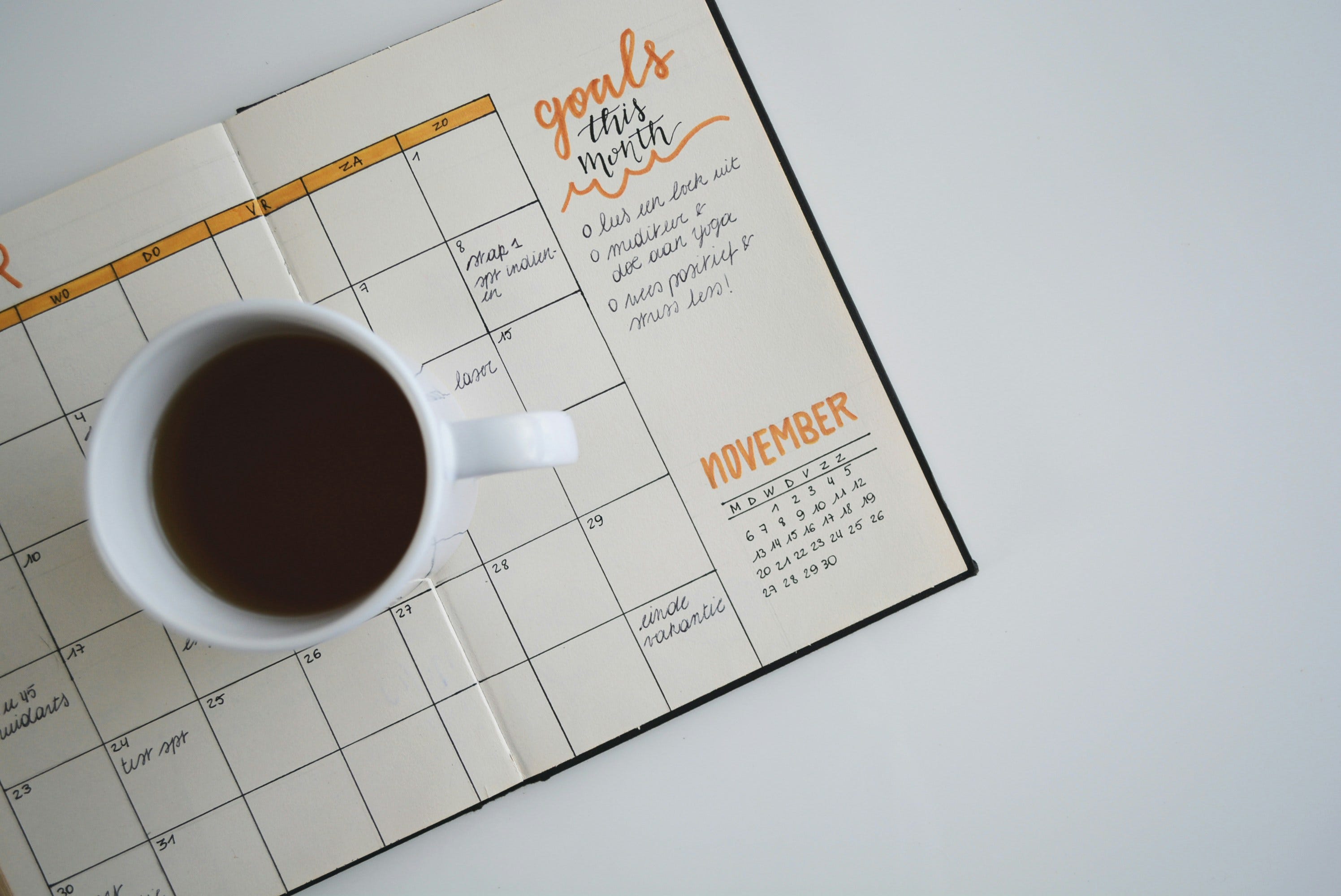
As the new year approaches, it’s the perfect time to reflect, reset, and set your health and fitness goals for 2025. Starting with realistic and achievable objectives is crucial for building sustainable habits that lead to long-term success. Unrealistic expectations can often result in frustration and burnout, but with the right strategy, your health and fitness goals can become empowering milestones rather than overwhelming challenges. Here’s how to set realistic health and fitness goals for the new year:
1. Reflect on the Past Year
Before jumping right into your goals for 2025, take a moment to asses the past year. What did you achieve in 2024? What worked well, and what didn’t? Did you stay consistent with you workouts or hit a personal best? Understanding your strengths and identifying areas for improvement can provide valuable insights to guide your goal-setting process.
2. Use the SMART Framework
SMART is an [acronym for a goal-setting framework](https://en.wikipedia.org/wiki/SMART_criteria#:~:text=The term was first proposed,bound—hence the acronym S.M.A.R.T.) by George T. Doran. This structure helps set realistic and actionable health and fitness goals:
Specific: Define your goal clearly. Instead of saying” I want to get fit,” specify, “I want to deadlift 200 pounds.”
Measurable: Ensure your progress can be tracked. For example, from tow days a week aim to workout four or instead of holding your plank for 30 seconds aim for a full minute.
Achievable: Set goals that challenge you but remain within reach. Consider your current fitness level before committing to a specific program.
Relevant: Align your goals with your priorities and values. For instance, if “eating healthy” is your top priority, set goals that support this: trying a new recipe, learning more about nutrition, learn how to read labels and understand the world healthy eating.
Time-bound: Attach a deadline to your goal to maintain focus. For example, “I will run a 5K by April 2025”. But remember, set realistic timelines.
3. Break Goals into Manageable Steps
Big goals can feel overwhelming. To avoid paralysis, break them into smaller, actionable steps. For example, if your goal is to lose 20 pounds, calculate weekly or monthly targets. Doing this will help alleviate the pressure and also give you an opportunity to celebrate the small wins.
4. Prioritize Your Goals
Not all goals carry equal weight. Determine which goals are most important to you and focus your energy there. For instance, if improving cardiovascular health is critical, prioritize activities such as running, cycling, or HIIT exercises.
5. Celebrate Wins
Every step forward is progress. Celebrate milestones along the way to stay motivated.
6. Stay Flexible
Life is unpredictable, and circumstances can change. Don’t be afraid to adjust your health and fitness goals if needed. Flexibility ensures your objectives remain relevant and achievable throughout the year.
Setting realistic goals for 2025 is about aligning your aspirations with your abilities and resources. By reflecting on the past, applying the SMART framework, and staying flexible, you can turn your fitness resolutions into a roadmap for success.
Make 2025 your year of stronger, healthier habits and achievable milestones.
Ready, set, sweat!
 | A guest post by
|